

During labor, so much focus is placed on contractions, breathing, and position changes that one small—but powerful—detail is often overlooked: emptying the bladder regularly. Frequent urination during labor plays a surprisingly important role in helping baby descend through the birth canal safely and efficiently.
This isn’t just a comfort issue. It’s anatomy, mechanics, and physiology working together.
The Pelvis Is Shared Real Estate
The bladder sits directly in front of the uterus and vagina, tucked behind the pubic bone. As labor progresses and baby begins to descend, space inside the pelvis becomes extremely limited. Every structure matters.
When the bladder is full, it takes up valuable room in the pelvic cavity. This can:
- Narrow the available space for baby’s head
- Push the uterus slightly out of optimal alignment
- Interfere with baby’s ability to rotate and descend
An empty bladder creates more room, allowing the baby to move downward with less resistance.
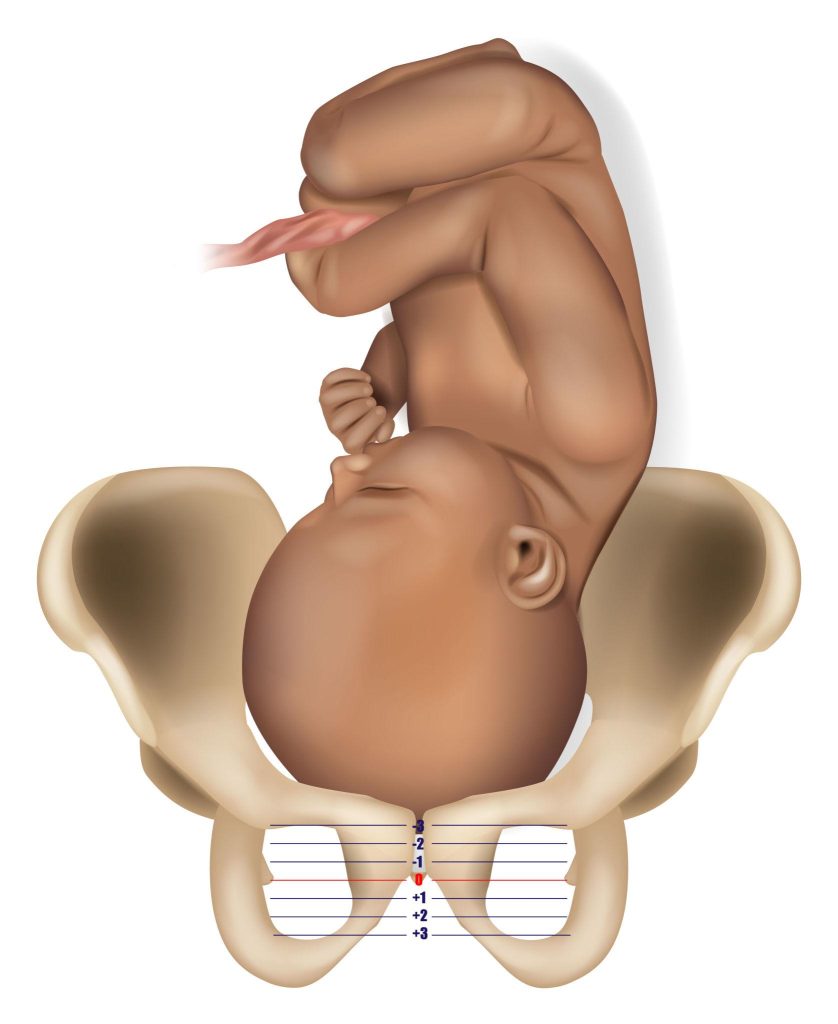
How a Full Bladder Can Slow Labor
A distended bladder during labor can quietly work against the process in several ways:
1. Physical Obstruction
A full bladder can act like a soft but firm barrier in front of the birth canal, making it harder for baby’s head to engage and descend fully.
2. Reduced Cervical Progress
When baby’s head can’t press evenly on the cervix, dilation and effacement may slow. Pressure from the presenting part is one of the key drivers of cervical change.
3. Increased Discomfort and Back Pressure
Bladder fullness can intensify pelvic and lower back discomfort, making it harder for the laboring woman to relax—something labor depends on.
4. Inefficient Contractions
A crowded pelvis can prevent contractions from working as effectively, sometimes leading to longer labors or stalled progress.
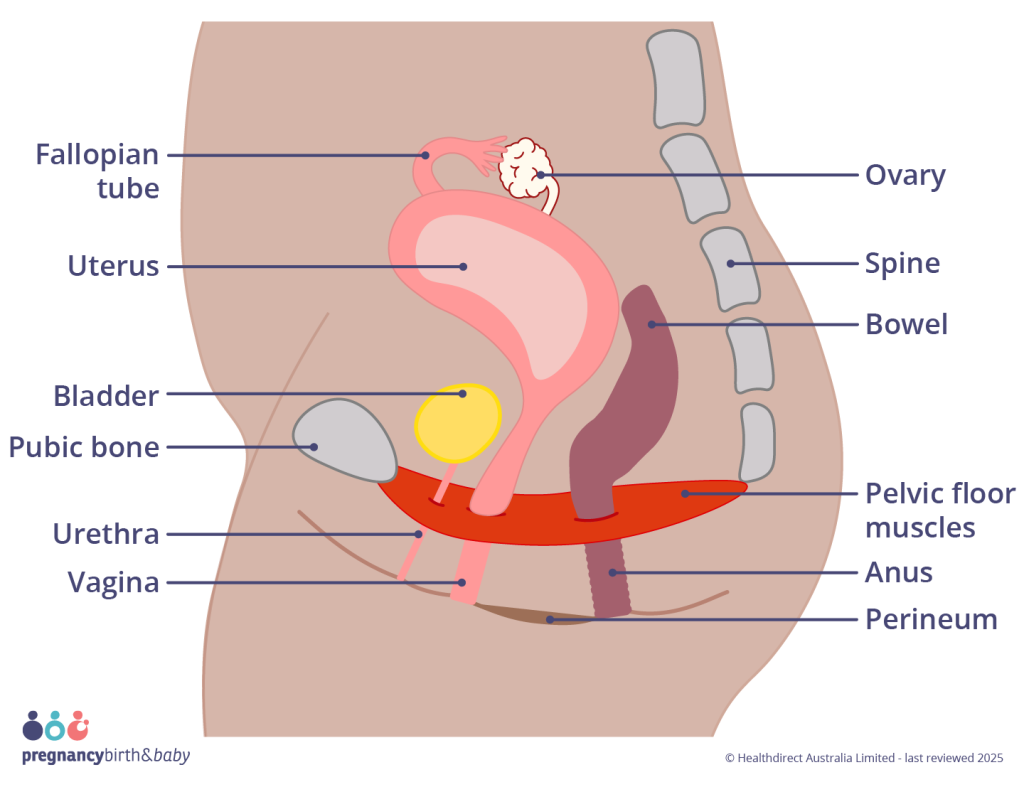
Empty Bladder = Better Alignment
When the bladder is empty, the uterus can sit more freely and align better with the pelvic inlet. This helps:
- Baby tuck the chin (optimal flexion)
- Baby rotate into a favorable position
- The head apply even pressure to the cervix
- Gravity and contractions work together more efficiently
In short, empty bladder, clearer pathway.
The Hormonal Connection
Labor hormones thrive on relaxation and flow.
A full bladder can trigger discomfort signals that increase tension in the pelvic floor. Tension sends the opposite message to the body than what labor needs.
Frequent urination supports:
- Pelvic floor softening
- Parasympathetic (rest-and-flow) nervous system activation
- Better oxytocin release
- Smoother, more coordinated contractions
This is why something as simple as peeing can sometimes be followed by noticeable progress in labor.
Why Labor Can Dull the Urge to Pee
Many women don’t feel the need to urinate during labor because:
- Baby’s head compresses bladder sensation
- Adrenaline overrides normal body cues
- Intense focus shifts awareness away from bladder signals
That’s why timed reminders matter. Waiting until the urge is strong may mean the bladder has already been full for a while.
Practical Birth Support Tips
Encouraging regular bladder emptying is a quiet but powerful labor support strategy.
Helpful guidelines:
- Aim to urinate every 1–2 hours during active labor
- Try after position changes
- Try after vomiting or intense contraction waves
- Use upright positions on the toilet if safe and comfortable
- Warm water over the perineum or running water can help
If mobility is limited (epidural or medical restrictions), medical teams may use intermittent catheterization to keep the bladder empty for the same reason—to support descent and protect the bladder.
Protecting the Bladder Postpartum
An overfull bladder during labor doesn’t just affect descent—it can also increase the risk of postpartum bladder issues, including:
- Difficulty urinating after birth
- Increased swelling
- Temporary bladder atony
Keeping the bladder empty during labor supports both birth mechanics and postpartum recovery.
A Small Action With Big Impact
Frequent urination may seem insignificant compared to contractions or pushing, but it directly influences how smoothly baby can travel through the pelvis.
An empty bladder:
- Creates space
- Improves alignment
- Supports effective contractions
- Encourages cervical progress
- Helps baby come down the canal more easily
Sometimes, progress in labor isn’t about doing more—it’s about removing what’s in the way.


