
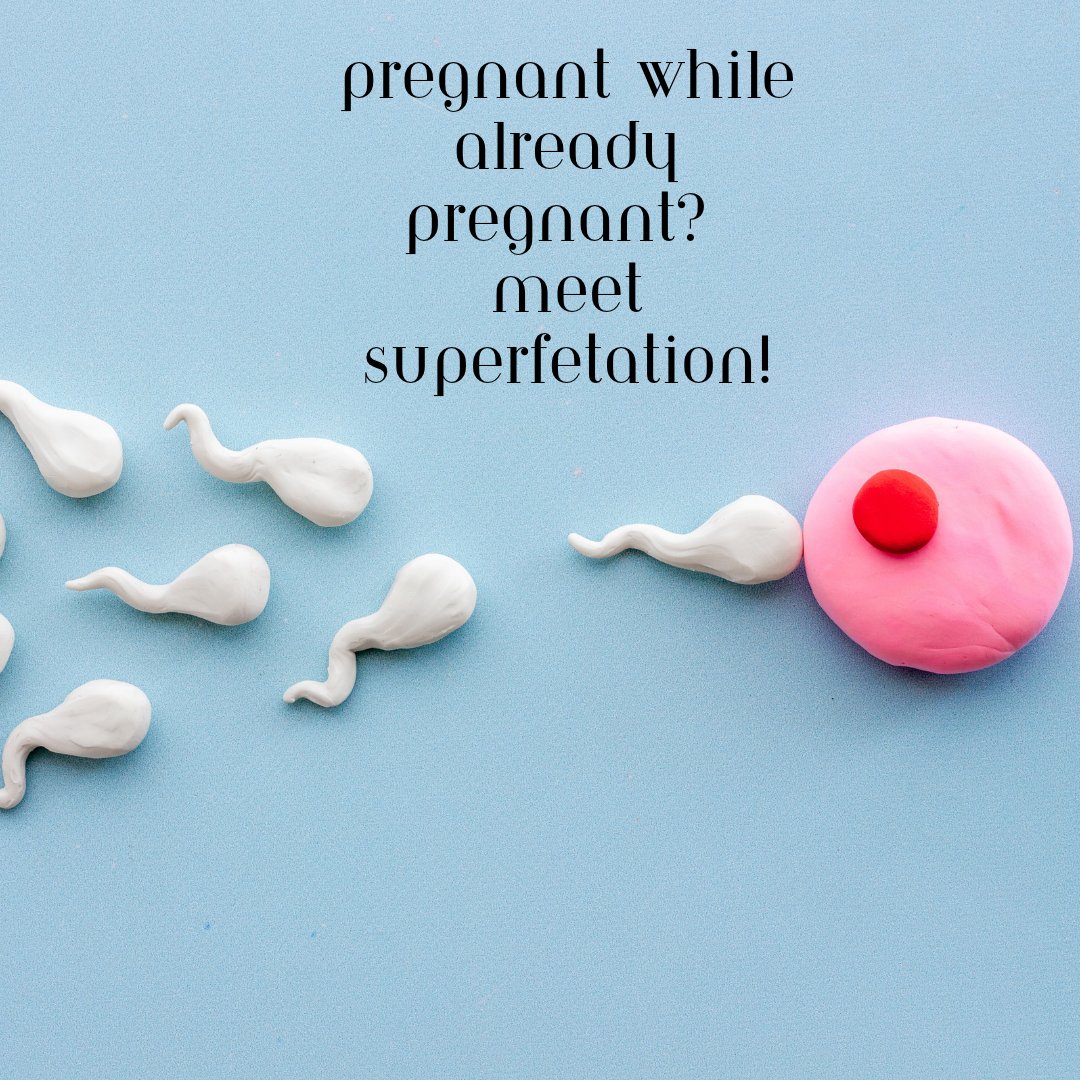
Just when you thought pregnancy had run out of surprises, here’s a fascinating fact: a woman can, in extraordinarily rare circumstances, conceive again while she is already pregnant.
It’s called superfetation. One pregnancy begins, then another embryo joins it later.
How does the biology work?
A second pregnancy would have to overcome three barriers:
- Ovulation: Pregnancy hormones normally stop the ovaries from releasing another egg.
- Fertilization: Thick cervical mucus makes it difficult for sperm to enter the uterus and reach an egg.
- Implantation: The uterine lining normally becomes unreceptive to another embryo once pregnancy is established.
For superfetation to happen naturally, another egg would need to be released, fertilized, and successfully implanted despite those changes. Fertility treatments can bypass some barriers, and many reported cases involve assisted reproduction. The exact mechanisms remain uncertain.
Two starting dates—one birthday?
Reported cases generally involve babies conceived a few weeks apart. They usually arrive together, sharing a birthday despite their different developmental ages.
Does one smaller baby prove it?
No. Growth differences have other explanations, so confirming superfetation is difficult. This is an exceptionally rare biological curiosity, rather than something pregnant women generally need to worry about.


