
Why It Matters for Mothers and Newborns?
The moments immediately after birth are more than emotional—they are biologically powerful. One of the most important things that can happen during this time is skin-to-skin contact, when a newborn is placed directly on their mother’s bare chest. This simple act supports physical stability, emotional bonding, and long-term health for both mother and baby.
Skin-to-skin contact is widely recommended by medical professionals and birth workers because it works with the body’s natural systems, not against them. Whether birth is vaginal or cesarean, planned or unexpected, skin-to-skin contact remains one of the most beneficial practices in early postpartum care.
What Is Skin-to-Skin Contact?
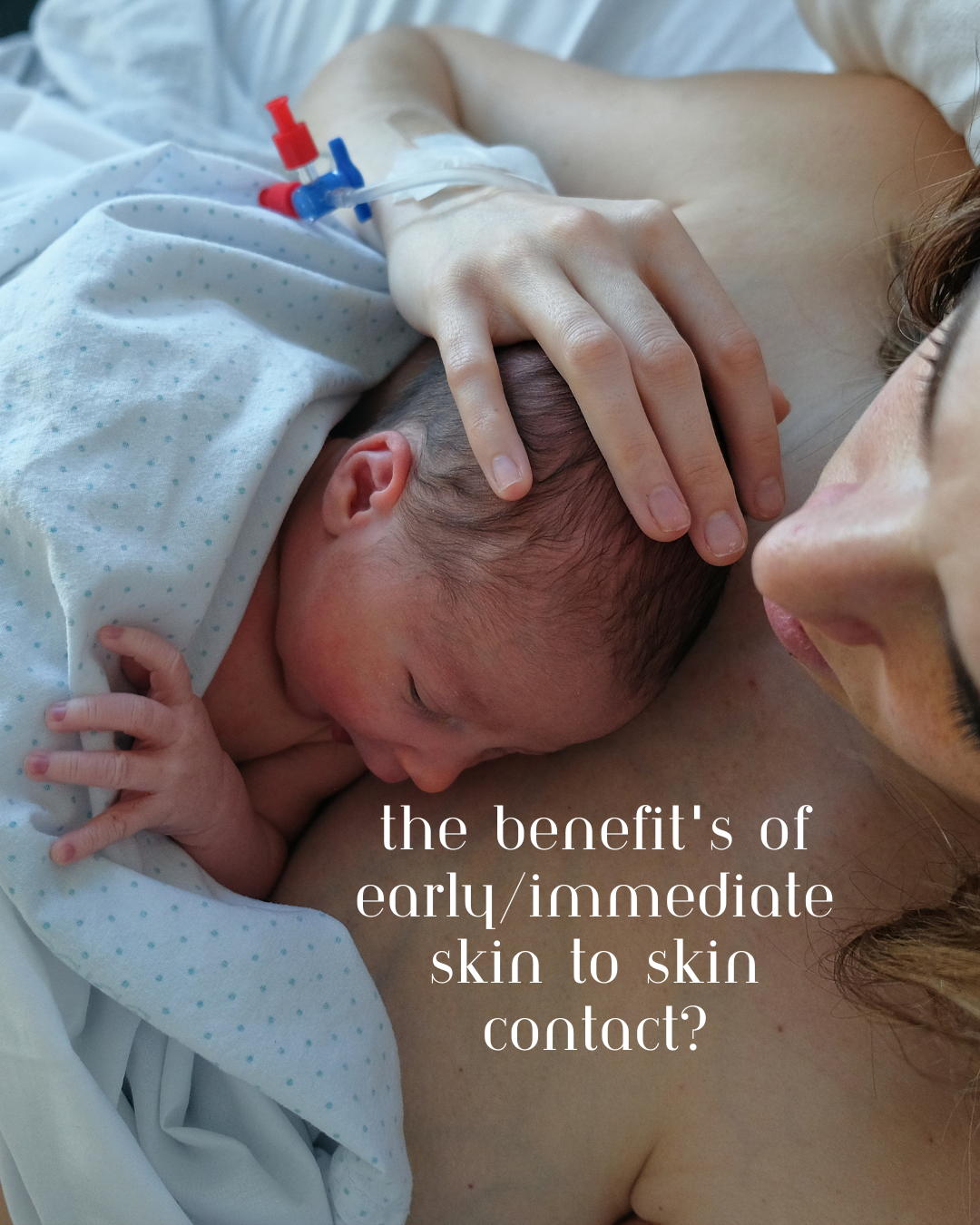
Skin-to-skin contact means placing a newborn—wearing only a diaper or unclothed—directly on the mother’s bare chest immediately after birth or as soon as medically possible. The baby is then covered with a warm blanket while maintaining chest-to-chest contact.
This practice is often referred to as kangaroo care and can begin:
- Immediately after birth
- In the recovery room after a cesarean
- Hours or even days later if separation occurred
Even short periods of skin-to-skin contact can have significant benefits.
Benefits of Skin-to-Skin Contact for Newborns
1. Helps Regulate Body Temperature
Newborns struggle to regulate their own body temperature. A mother’s chest naturally adjusts—warming or cooling as needed—to keep her baby at an optimal temperature. This regulation can be more effective than external warming methods.
2. Supports Heart Rate and Breathing
Babies held skin-to-skin tend to have more stable heart rates and breathing patterns. This calm physiological regulation is especially important in the first hours after birth.
3. Stabilizes Blood Sugar
Skin-to-skin contact helps maintain healthy glucose levels, reducing the risk of low blood sugar in newborns—particularly important for babies born early or to mothers with gestational diabetes.
4. Encourages Natural Breastfeeding
Babies placed skin-to-skin often instinctively begin rooting and latching. This early initiation:
- Improves latch success
- Increases breastfeeding duration
- Reduces common feeding challenges
5. Reduces Stress and Crying
Skin-to-skin contact lowers cortisol levels in newborns, helping babies feel safe and secure. Babies cry less, sleep more, and transition more gently to life outside the womb.
Benefits of Skin-to-Skin Contact for Mothers
1. Increases Oxytocin and Bonding
Skin-to-skin contact triggers the release of oxytocin, often called the “bonding hormone.” This hormone strengthens emotional attachment and supports maternal confidence and calm.
2. Helps Reduce Postpartum Bleeding
Oxytocin also encourages uterine contractions, which help the uterus shrink back to its pre-pregnancy size and reduce postpartum bleeding.
3. Supports Breast Milk Production
Mothers who experience early and frequent skin-to-skin contact often see:
- Earlier milk production
- Improved milk supply
- Greater breastfeeding confidence
4. Protects Mental Health
Skin-to-skin contact has been associated with lower rates of postpartum anxiety and depression. The hormonal and emotional regulation it provides supports a smoother emotional transition into motherhood.
Long-Term Benefits Beyond the First Hour
While the first hour after birth—often called the golden hour—is especially impactful, skin-to-skin contact continues to benefit families well beyond the delivery room. Ongoing skin-to-skin care supports:
- Stronger attachment and bonding
- Improved infant emotional regulation
- Increased maternal responsiveness
- Greater feelings of security for baby
Partners can also practice skin-to-skin contact, offering comfort to the baby while supporting maternal rest and recovery.
Advocating for Skin-to-Skin Contact
To help ensure skin-to-skin contact happens:
- Include it in your birth plan
- Discuss it with your provider during prenatal care
- Ask for it after cesarean birth when medically safe
- Request that routine procedures be delayed when possible
Most hospitals support skin-to-skin care, but clear communication helps make it a priority.
A Simple Practice with Lifelong Impact
Skin-to-skin contact is free, natural, and deeply effective. In those first quiet moments after birth, a mother’s body provides warmth, regulation, and reassurance in ways no machine ever could.
For mothers and newborns, skin-to-skin contact is not just comforting—it is protective, healing, and foundational. It is one of the most powerful ways to begin life together.


