

The human body carries quiet design features that many of us move through life without ever noticing. The spine is one of them. Every day it holds us upright, allows us to bend and move, and protects the delicate nerves that carry signals throughout the body.
But when we look more closely, we begin to see that the female spine is not simply a smaller version of the male spine. It carries subtle structural differences that reflect a different balance between strength and adaptability. These differences influence posture, movement, and the way weight travels through the body. They also help explain how the female body can adjust to the physical changes that occur throughout life.
Understanding the female spine is not only a lesson in anatomy — it is an opportunity to recognize the thoughtful structure of the body itself.
The Blueprint Is the Same
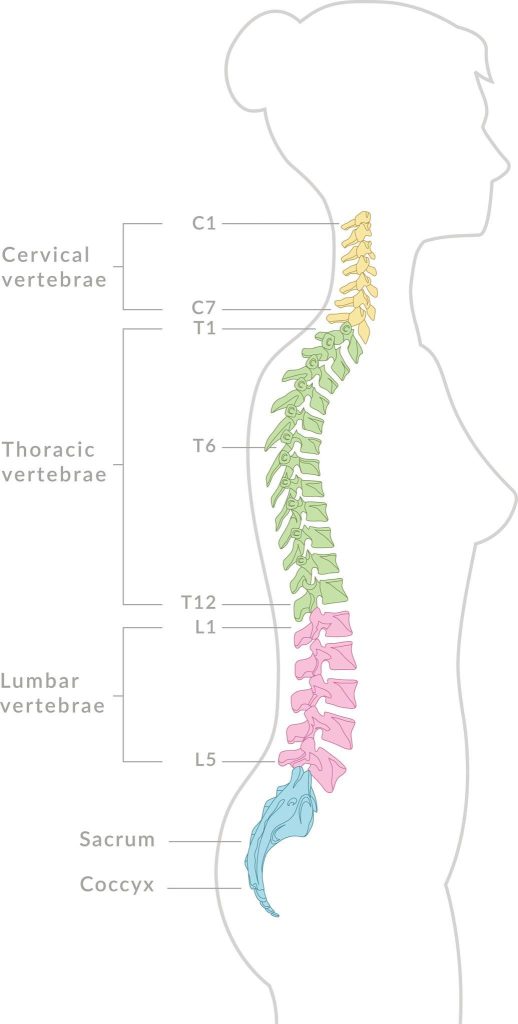
Every adult spine contains:
- 7 cervical vertebrae (neck)
- 12 thoracic vertebrae (mid-back)
- 5 lumbar vertebrae (lower back)
- The sacrum
- The coccyx
The difference isn’t in the number of bones.
It’s in how they are shaped and positioned.
The Lumbar Curve: A Built-In Counterbalance
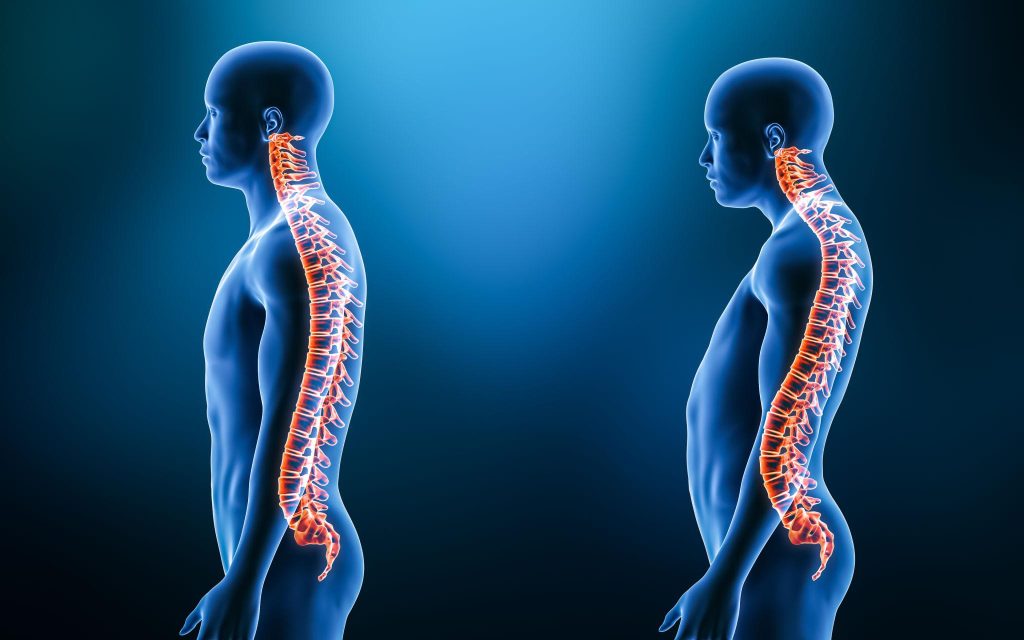
Women typically have a slightly greater lumbar lordosis, the natural inward curve of the lower back.
This curve helps:
- Maintain upright posture
- Keep the head balanced over the pelvis
- Distribute weight through the hips
- Compensate for forward shifts in body mass
During pregnancy, as the uterus expands and abdominal weight moves forward, this curvature plays a critical role in balance.
Rather than tipping forward, the body adjusts.
The female spine is structured to anticipate change.
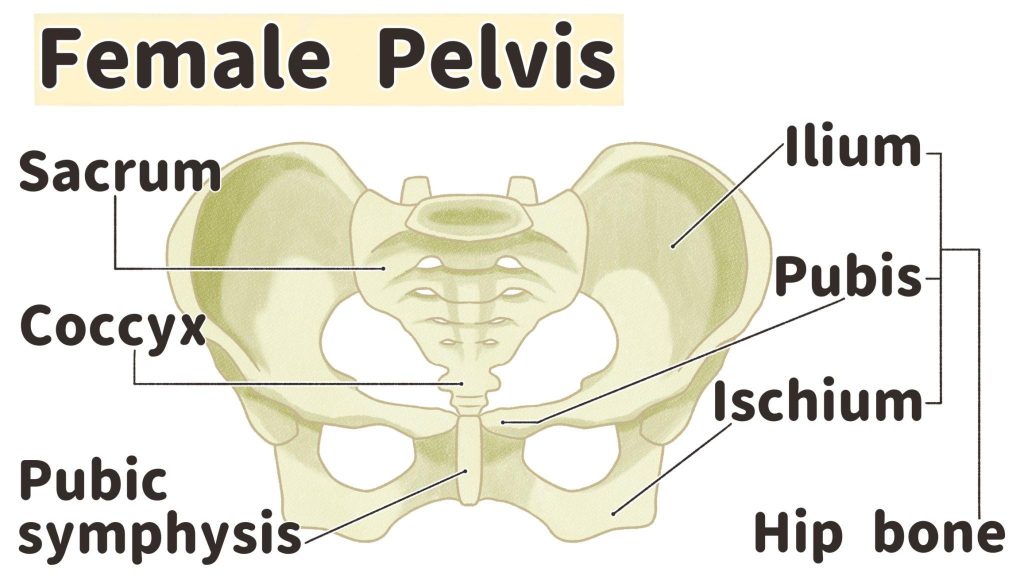
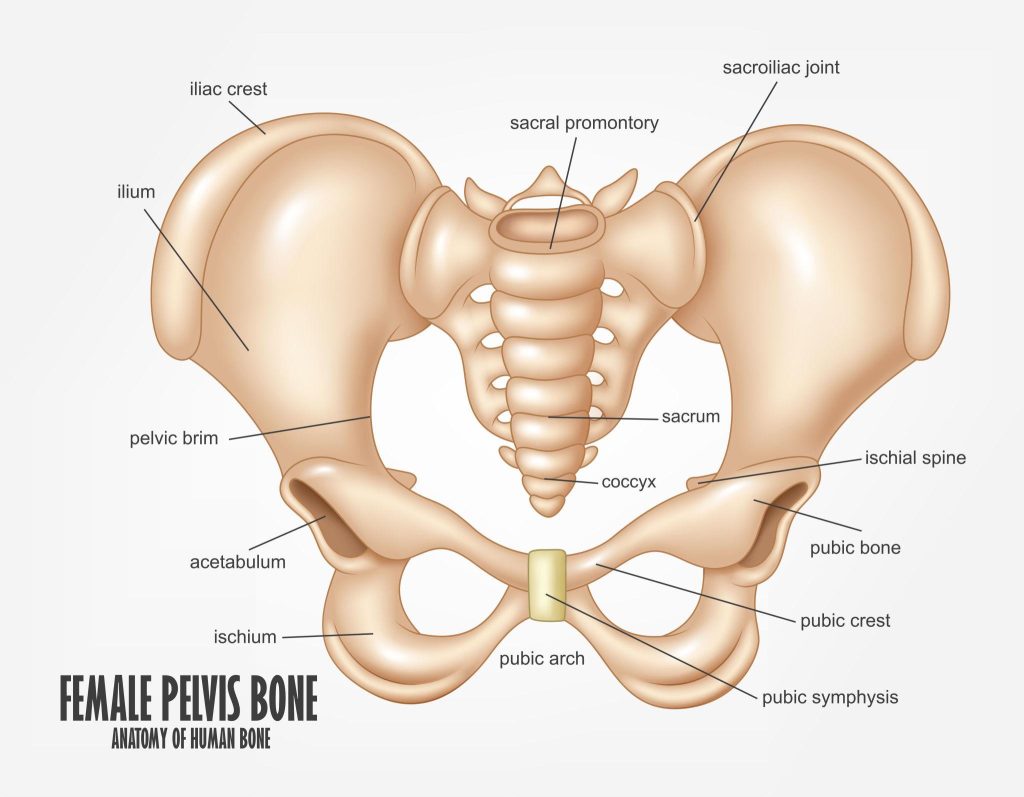
The Sacrum: Where Spine Meets Pelvis
At the base of the spine sits the sacrum — a triangular bone that connects the spine to the pelvis.
In women, the sacrum is generally:
- Wider
- Shorter
- Less curved inward
Because it forms the back wall of the pelvis, its width and angle influence pelvic space and weight transfer.
This structural integration supports:
- Efficient movement
- Shock absorption
- Adaptability across different stages of life
The spine and pelvis function as a coordinated system, not separate parts.
Stability and Mobility Working Together
The female spine balances two essential priorities:
- Stability — to protect the spinal cord and maintain structure
- Mobility — to allow flexibility in the pelvis and lower back
During reproductive years, hormonal shifts can increase ligament flexibility, particularly around the pelvis. The spine must remain stable while accommodating this mobility.
This balance allows the body to adapt without losing integrity.
How Structure Shapes Experience
The structural design of the female spine influences:
- Center of gravity
- Postural alignment
- Movement patterns
- Load distribution
- Muscular engagement
It supports daily life — lifting, walking, carrying, bending — while also maintaining the capacity to adapt to significant physical changes.
The female spine is not simply a smaller version of a male spine.
It reflects a different balance of strength and flexibility.
When we take the time to understand the structure of the body, everyday movements begin to look different. Standing, walking, bending, carrying — these actions rely on a system of bones and joints working together with remarkable coordination.
The female spine reflects a design that balances strength with adaptability. It is structured to keep the body upright, distribute weight efficiently, and integrate closely with the pelvis. These characteristics allow the body to respond to change while maintaining stability.
Understanding the female spine reminds us that the body is not a collection of separate parts, but a connected structure built for movement, balance, and resilience throughout life.


